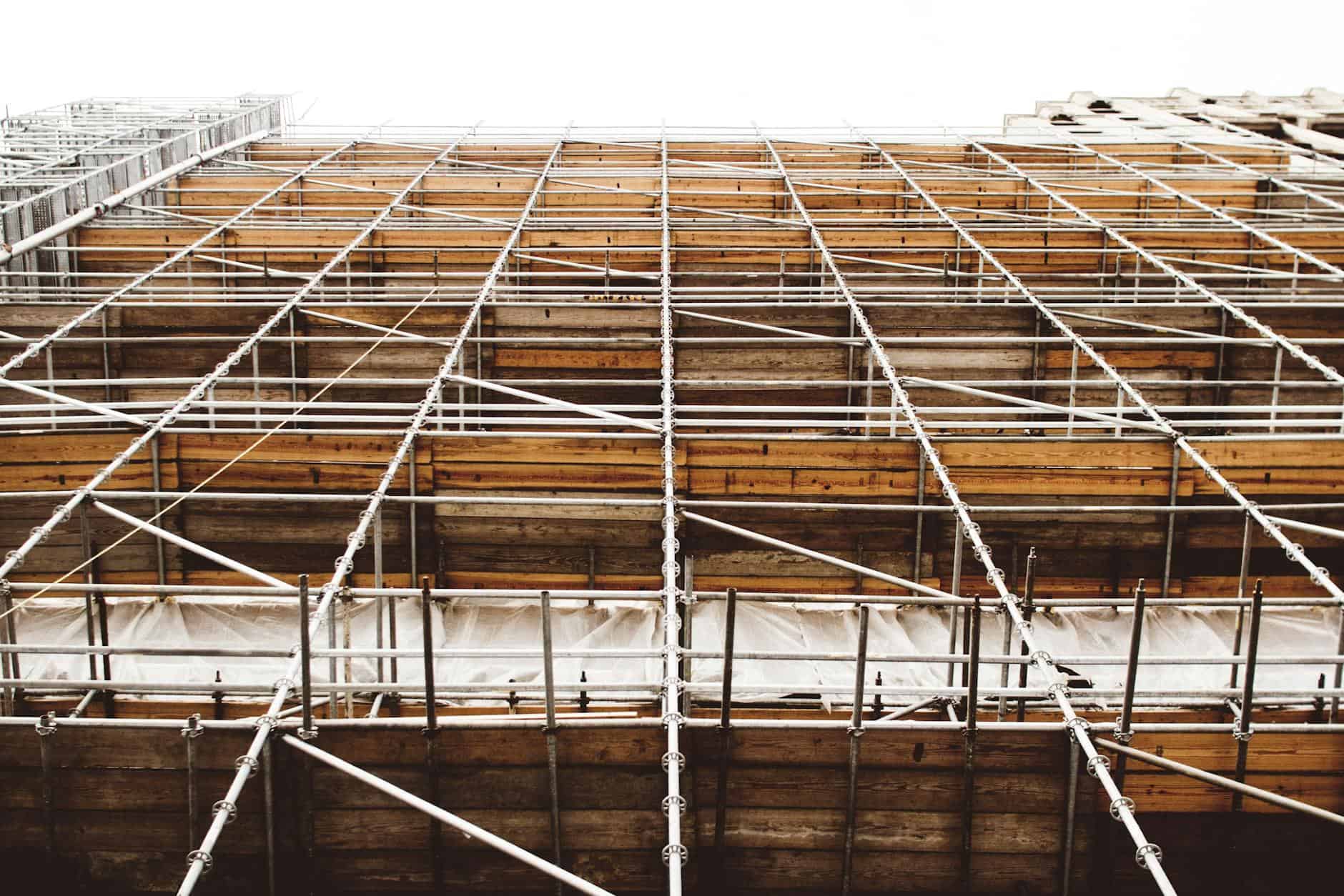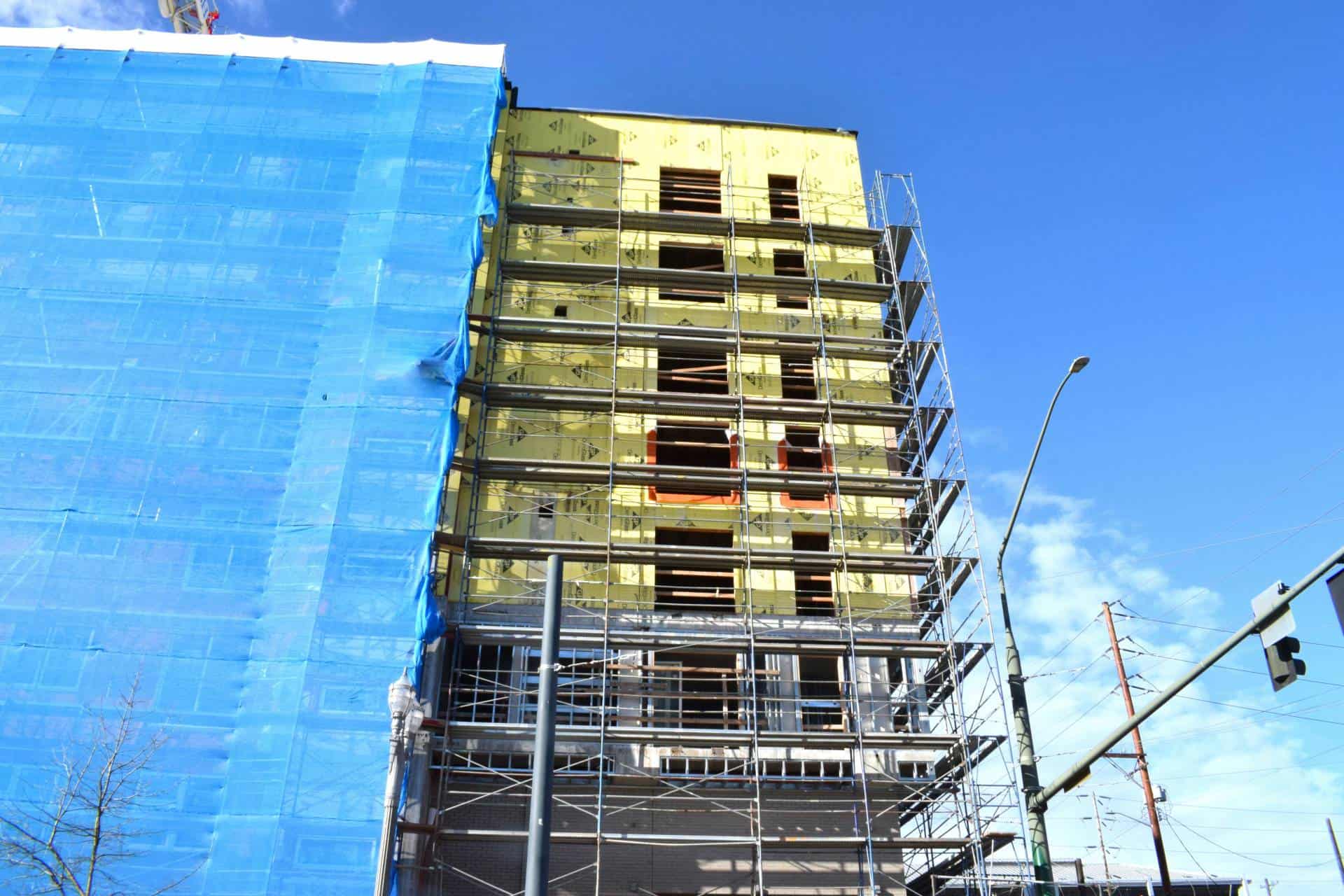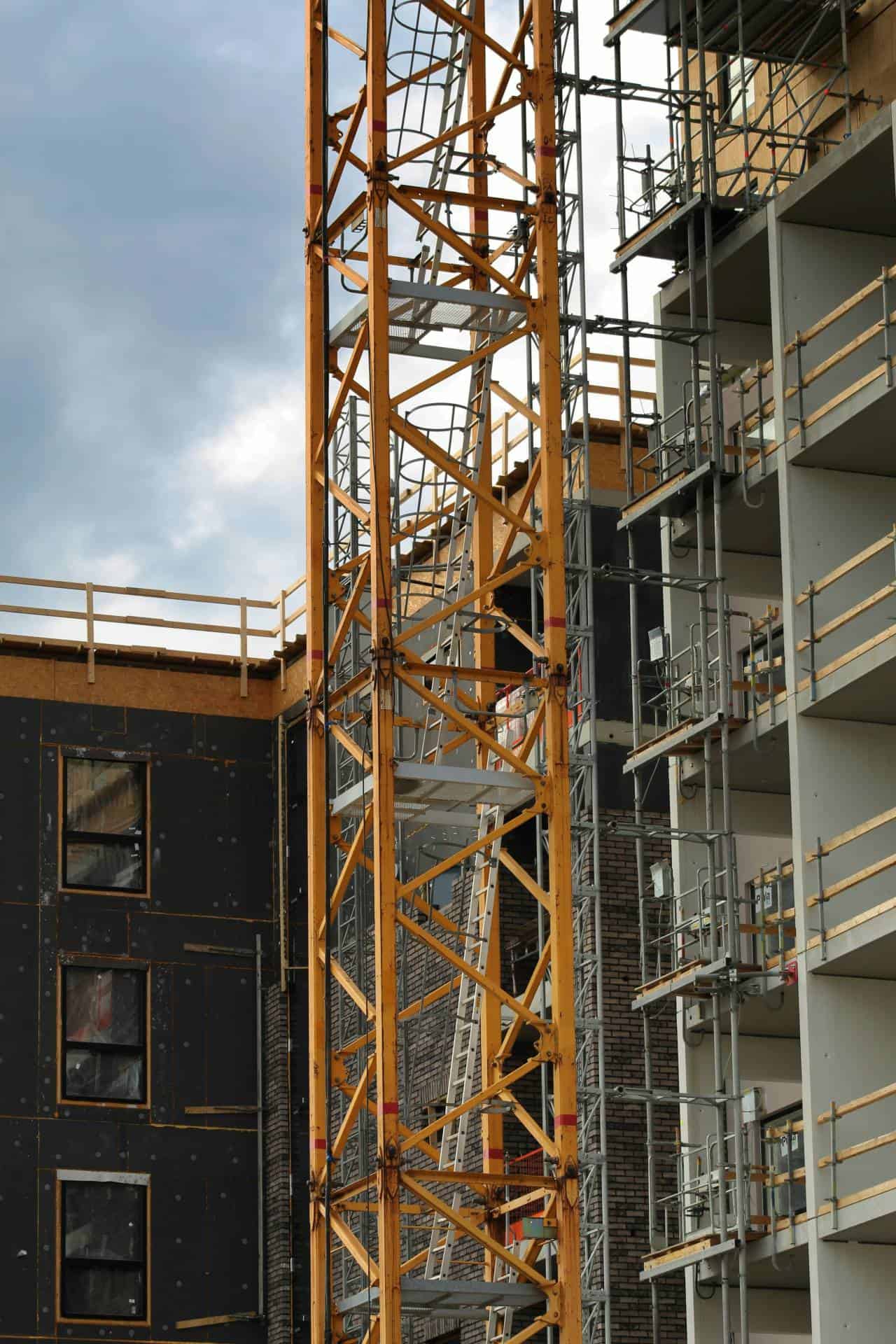
Meeting scaffolding safety standards in Miami is essential if you want to keep your construction site both efficient and secure. Picture this: you’re tackling a major residential project, or maybe building a commercial high-rise. Either way, there’s one non-negotiable factor—ensuring every scaffolding structure you use meets local and federal guidelines so you can avoid accidents, fines, or stressful project delays. Below, you’ll discover practical steps to set up safe scaffolds, maintain them, and ultimately protect your workers and your bottom line.
Understand local safety guidelines
You’ve likely heard of OSHA (Occupational Safety and Health Administration) regulations, but in Miami-Dade County, you also have local codes to follow. These requirements are in place to address the city’s unique climate and building realities.
Know essential regulations
- Follow structural guidelines for wind loads. Miami can face intense gusts, so your scaffolding must be anchored securely to withstand heavier winds.
- Use licensed inspectors. Local rules may require certified professionals to review scaffolding stability for larger-scale projects.
- Stay up to date on permit requirements. Contact your municipality for the latest documentation you need, especially in high-rise commercial areas.
By staying tuned into these details, you’ll avoid costly setbacks and keep your scaffolds ready for action.
Select the proper equipment
When you’re choosing scaffolding systems, consider the type of project—be it a home remodel or a large-scale commercial overhaul. You want gear that suits your site’s demands, so you don’t compromise on safety or burn extra time juggling ill-fitting parts.
Commercial or industrial scaffolding
If your focus is multi-level buildings or factory expansions, you can explore commercial scaffolding miami or industrial scaffolding miami. These specialized options are designed for heavier loads and larger footprints.
- Opt for modular systems if you need quick assembly and flexibility.
- Consider steel frames for heavy-duty commercial tasks, especially when you’re working on multiple floors.
If you’re building a neighborhood home or a small office, you might not need such robust hardware. In that case, check out lighter aluminum frames or a hybrid of steel and aluminum to balance strength with portability.
Buying or renting scaffolding
Some projects require a short-term rental, while others are ongoing, making a purchase more cost-effective. The good news is you can find scaffolding sales miami for brand-new or refurbished equipment, depending on your budget. If you’re a contractor juggling multiple sites, consider scaffolding for contractors miami solutions. They often come bundled with maintenance or inspection services, so you save time looking for third parties to handle compliance checks.
Secure and inspect frequently
Ever wonder how often you should really check your scaffolding? The simple answer: regularly. But let’s break that down.
Daily inspections matter
Think of your scaffolding like a car. You wouldn’t drive without checking your fuel, tire pressure, or engine lights. Similarly, you should inspect crucial scaffold components each day before anyone climbs aboard.
- Look for cracks or rust on metal frames.
- Check hooks, couplers, and bolts for signs of wear or looseness.
- Make sure guardrails are tight and at the right height to protect against falls.
Train your team
A reliable scaffold doesn’t just rely on hardware. It’s also about the people using it.
- Provide brief refresher courses so workers understand how to handle equipment.
- Encourage spot checks and peer accountability. If someone notices a loose board, they should feel comfortable voicing concerns right away.
This team-first approach cements a safety culture on your job site, avoiding the “someone else will do it” mentality.
Maintain a compliant workplace
All your preparation can crumble if you don’t maintain compliance throughout the project’s lifespan. Keep a record of all your inspections, repairs, and employee training sessions. That way, if an inspector drops by, you’re prepared.
Simple ways to stay compliant
- Post safety signs: Remind workers of load limits and potential hazards.
- Implement cleanup protocols: Clear debris and tools that might cause trips or collisions.
- Lock down access points: Limit unauthorized entry by fencing around scaffolds and gating entrances.
By following these steps, you’ll reduce your chances of accidents and ensure you’re aligned with both city and federal safety rules.
Final thoughts
Miami’s construction scene can be demanding, especially when you factor in strong coastal winds and strict local regulations. Yet meeting scaffolding safety standards in Miami doesn’t have to be complicated. Start with the right equipment—tailored to your project type—add consistent inspections, and top it off with ongoing worker training. Before you know it, you’re running a site that not only meets Miami-Dade’s rules, but also keeps your team safe day in and day out.
Want to go one step further? Evaluate how your team uses scaffolding daily, and schedule occasional third-party inspections when you need a fresh set of eyes. With a little diligence, you’ll build projects that rise above the skyline—and do it responsibly. If you have questions or need more insights, feel free to reach out to local experts or share your experience in a quick comment. Your crew, your clients, and your community will thank you.